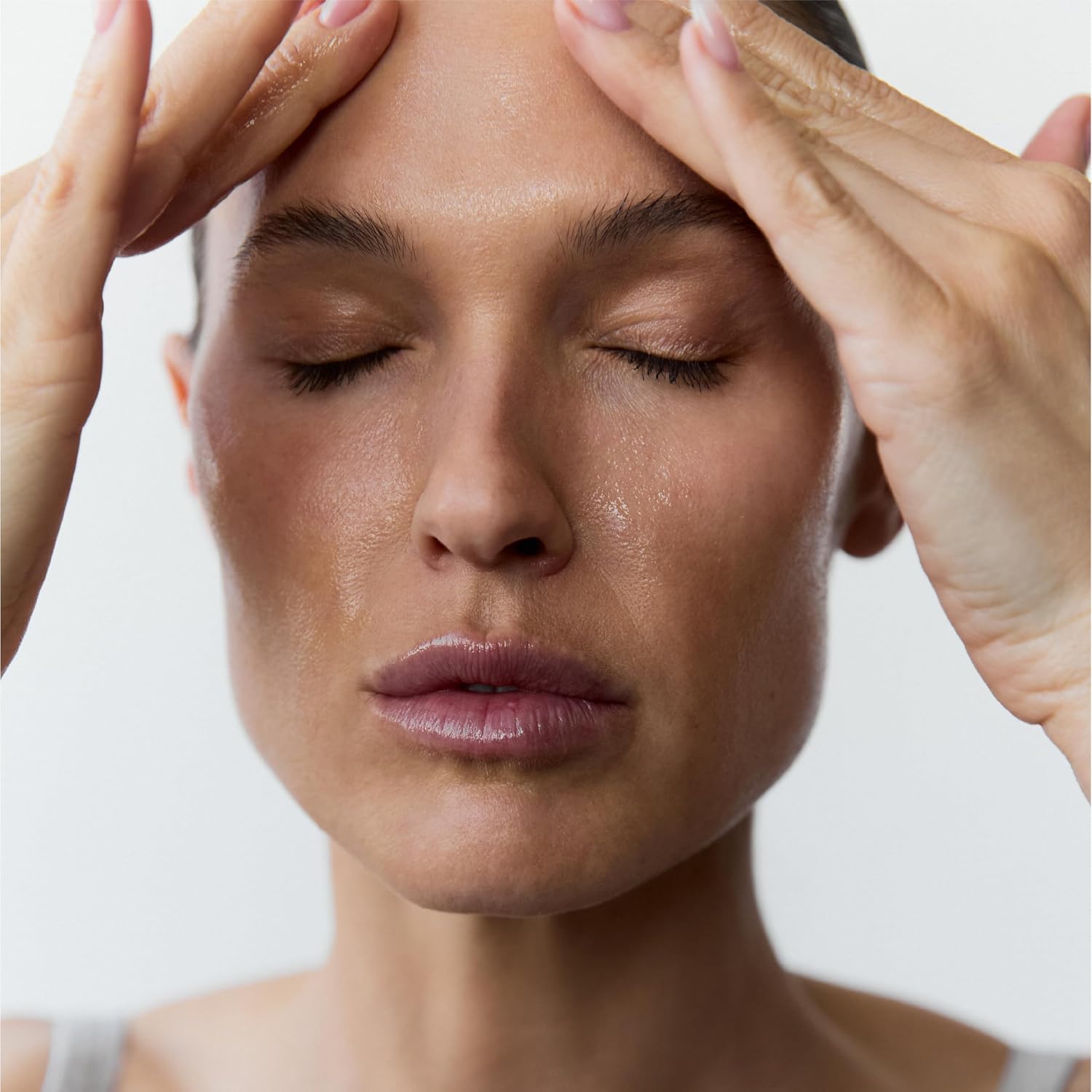
If you’ve been paying any attention to the clean beauty space lately — “clean beauty” meaning products formulated without ingredients flagged for toxicity, irritation, or environmental harm — you’ve probably noticed that the interesting action is no longer happening at the big-box level. It’s coming from smaller, indie (independently owned, often founder-formulated) brands that are moving faster, being more transparent about their ingredient sourcing, and releasing cleansers that are genuinely worth a second look. A cleanser, by the way, is step one of almost every skincare routine: it removes dirt, oil, sunscreen, and makeup without stripping the skin’s protective moisture barrier. Get it wrong and everything else in your routine fights uphill. This article maps the indie cleanser launches that have earned attention in the past twelve months, explains what’s actually new about their formulations, and gives you a clear framework for deciding whether any of them belong in your rotation.
If you already know your sulfates from your saponified oils and you’ve read a few INCI lists (INCI = International Nomenclature of Cosmetic Ingredients, the standardized names you see on the back of every product), you’re in the right place. We’re going to go deeper than “it smells nice” — but we’ll stay practical the whole way through.
Why the Indie Cleanser Moment Is Happening Right Now
The short version: clean certification standards got harder, and big brands moved slowly. That created a visible gap for indie founders who could reformulate quickly, source newer actives, and get EWG Verified or Credo-compliant status without navigating a multinational’s procurement bureaucracy.
Per the EWG Verified program guidelines, a product must meet strict criteria around ingredient transparency, full INCI disclosure, and prohibitions on EWG-flagged chemicals — and the verification process has become meaningfully more rigorous since 2023. The Credo Beauty Clean Standard, documented on credobeauty.com/blog, now bans over 2,700 ingredients and has added stricter requirements around fragrance transparency and microbiome-disrupting preservatives. Those aren’t easy bars for legacy formulations to clear.
At the same time, consumer demand has quietly matured. Byrdie’s ongoing coverage of indie cleanser launches consistently notes that the readers driving the most engagement are no longer asking “is it natural?” — they’re asking “what are the surfactants, what’s the pH, and does this have a fragrance disclosure?” That’s a more sophisticated question, and indie brands with founder-direct communication can answer it in a way that a large corporation’s PR layer can’t.
The result: a small group of indie clean brands has moved from cult status to serious consideration for mid-tier and prestige buyers who previously defaulted to Youth to the People, Farmacy, or Tatcha.
The Brands and Formulations Earning Attention
Here’s what the current landscape actually looks like, with the tradeoffs named explicitly.
Experiment Beauty (launched full U.S. distribution late 2025) has generated consistent buzz for its Barrier Repair Cleansing Serum, a category-hybrid positioned somewhere between a micellar water and a gel cleanser. The formulation leads with a polyglutamic acid base — polyglutamic acid is a humectant (moisture-binding ingredient) that reviewers at Byrdie describe as even more hydration-dense than hyaluronic acid at equivalent concentrations — paired with sodium cocoyl isethionate, a mild surfactant derived from coconut oil that Paula’s Choice expert advice on surfactants consistently ranks among the gentlest rinse-off cleansing agents. The brand is Credo-listed and discloses full fragrance breakdown, which is rare. The tradeoff: at $58 for 100ml, it prices into the Augustinus Bader tier without the same degree of clinical evidence behind it. If you’re managing a compromised barrier and you’re already spending at that level, it’s worth a trial. If you’re mid-tier budget, it’s a stretch without more long-run owner reviews to anchor it.
Hanahana Beauty has expanded its community-sourced shea model into a new cleansing balm format that has received sustained attention from Allure’s clean beauty roundup coverage. The Shea Cleanse Balm is notable for two reasons: its supply chain transparency (the brand publishes GPS coordinates of its Ghana-based shea cooperatives) and its formulation simplicity — the INCI list is under ten ingredients, anchored by unrefined shea butter and jojoba esters. The Beauty Brains blog analysis of cleanser formulations has noted that shorter INCI lists in balm cleansers are a genuine signal of formulation confidence rather than under-engineering; it’s harder to stabilize a product with fewer emulsifiers. At roughly $32, it sits in accessible mid-tier territory. The tradeoff: unrefined shea has a distinctive earthy scent that reviewers describe as polarizing. It’s also a one-step makeup-melting cleanse, not a double-cleanse-step-one product — meaning it performs best as a standalone for low-SPF days rather than after heavy sunscreen or long-wear foundation.
Elan + Ora (San Francisco indie, launched early 2026) released a Probiotic Prebiotic Cleansing Milk that has caught the eye of estheticians tracking the microbiome-adjacent formulation trend. The formulation uses fermented lactobacillus filtrate as a supporting ingredient — fermentation makes active compounds more bioavailable and is a technique popularized at the prestige level by brands like Tatcha — alongside oat beta-glucan for barrier support. EWG Verified since launch. At $44, it’s priced fairly for the formulation complexity. The tradeoff here is texture: cleansing milks (thin, lotion-like cleansers that rinse clean without lathering) are polarizing among users accustomed to gel or foam formats. Reviewers consistently note that milks can feel “not clean enough” to oilier skin types, even when the cleanse is objectively complete. If your skin is dry to normal and you’re rebuilding a disrupted barrier, this is the more interesting pick. If you’re combination-oily, the math doesn’t favor it.
Strange Bird Beauty deserves mention specifically for its Detox Cleansing Powder — a format that remains underrepresented in the clean indie space. Cleansing powders (activated when you add water at the sink) sidestep the preservative requirements that complicate water-based formulations, which is why they tend to have shorter, cleaner ingredient lists. Strange Bird’s version uses a kaolin clay base (kaolin is a gentle white clay that absorbs excess oil without stripping) with willow bark extract as a natural BHA (beta-hydroxy acid, a chemical exfoliant). Allure has flagged it as a format to watch for ingredient-conscious buyers who are frustrated with preservative systems in conventional cleansers. At $38 for a 60-application jar, the cost-per-use math is strong. The tradeoff: the format requires a learning curve and adds a step (mixing at the sink), and it’s not compatible with very dry or sensitized skin that needs a creamy, emollient cleanse rather than an active-forward one.
By the Numbers
| Brand / Product | Format | Price | Certifications | Best Skin Type |
|---|---|---|---|---|
| Experiment Beauty Barrier Repair Cleansing Serum | Serum-gel hybrid | $58 / 100ml | Credo Clean | Dry, sensitized, compromised barrier |
| Hanahana Beauty Shea Cleanse Balm | Cleansing balm | ~$32 | Credo-listed | Normal to dry, low-SPF days |
| Elan + Ora Probiotic Cleansing Milk | Cleansing milk | $44 | EWG Verified | Dry to normal, barrier-focused |
| Strange Bird Beauty Detox Cleansing Powder | Powder-to-paste | $38 / 60 uses | MADE SAFE pending | Combination, oily, non-sensitized |
What “Worth Paying Attention To” Actually Means in 2026
It’s worth naming what separates a brand that deserves serious consideration from one that’s just executing a good Instagram strategy. In the current market — with clean certification standards tightening and informed consumers pushing on ingredient transparency — the signals that matter are:
Full fragrance disclosure. The Credo Beauty Clean Standard now requires fragrance ingredient disclosure beyond the catch-all “fragrance” or “parfum” INCI entry. Brands that comply voluntarily before being required to are signaling real formulation confidence. Experiment Beauty and Elan + Ora both do this.
Surfactant choice under scrutiny. Paula’s Choice expert advice on surfactants notes that the cleanser category still defaults to sodium laureth sulfate or cocamidopropyl betaine in many “natural” formulations — both of which are functional but not barrier-supportive. The indie brands earning attention in 2026 are mostly leading with isethionates, amino acid-based surfactants, or skipping rinse-off surfactants entirely (balm and oil formats). That’s a meaningful formulation shift.
Price integrity. At the prestige end, Vintner’s Daughter and Augustinus Bader have set a standard for what complex botanical formulations actually cost to produce responsibly. Indie brands pricing into that tier ($70+) without equivalent formulation depth or supply chain documentation are a yellow flag, not a green one.
The Decision Rule
Here’s how to cut through the noise. Apply this in order:
If your primary concern is barrier repair and you’re already spending at the Tatcha or Farmacy tier, Experiment Beauty’s cleansing serum is the technically defensible new entrant — the surfactant system and polyglutamic acid base are genuinely differentiated, and the Credo certification gives you third-party ingredient vetting. The spend is justified.
If you want clean formulation credentials at mid-tier pricing and your skin is normal to dry, Hanahana Beauty’s balm gives you supply chain transparency that outperforms its price point, and the short INCI list is a genuine signal rather than a marketing claim. Understand the scent profile and the use-case limitations before committing.
If you’re an esthetician building take-home regimen recommendations for dry or sensitized clients who are microbiome-curious, Elan + Ora’s cleansing milk is currently the cleanest formulation in that niche — EWG Verified, fermentation-forward, and accessible enough at $44 that clients will actually refill it.
If you’re combination to oily and frustrated by the preservative load in water-based cleansers, Strange Bird’s powder format solves a real problem and the cost-per-use math holds up. The format requires buy-in, but the payoff for the right client is significant.
The common thread across all four: these brands are worth watching not because they’re new, but because they’re making formulation decisions that reflect where clean certification standards are heading, not where they’ve been. In a category that still has a greenwashing problem at the mass tier — documented repeatedly in ingredient audits published by EWG and referenced in Byrdie’s clean-label explainers — that matters more than the packaging.