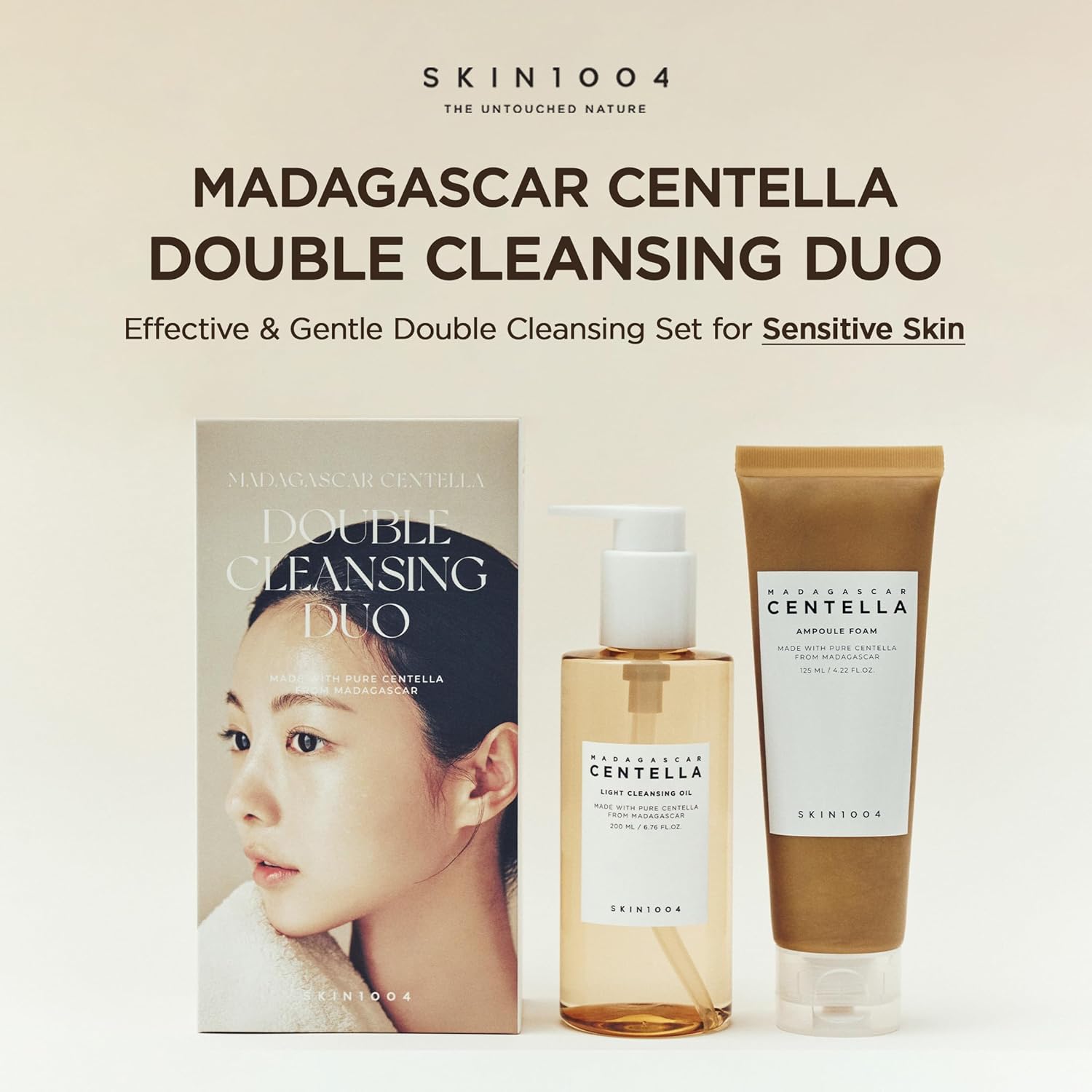
If you’ve ever picked up a Korean skincare cleanser (a face wash originating from South Korea’s beauty industry, famous for its multi-step routines and emphasis on skin-barrier health) and felt a little lost reading the back of the bottle, you’re not alone. K-beauty has built a global following not just on marketing, but on genuinely thoughtful formulation — meaning the specific ingredients chosen for a product and the logic behind them. The problem is that “K-beauty” has become a marketing shorthand that covers everything from brilliant low-pH (meaning pH levels between 4.5 and 6.5, which match the skin’s natural acidity) gel cleansers to lackluster basics dressed up in cute packaging. This guide cuts through that noise. You’ll learn which ingredients to look for based on your skin goals, how to read a Korean cleanser’s INCI list (the standardized ingredient list all cosmetics are required to display), and how to make a confident decision at any price point.
Why the Double-Cleanse Framework Still Holds Up — and Where It Gets Misapplied
The double-cleanse method — using an oil-based first step to dissolve makeup and SPF, followed by a water-based second step to clear residue — remains one of the most validated cleansing strategies for most skin types, according to Healthline’s overview of the double-cleanse method. K-beauty didn’t invent it, but the category produces some of the most intelligently formulated versions of both steps.
Where practitioners go wrong is treating the two steps as interchangeable or collapsing them into one for convenience. The chemistry doesn’t cooperate. An oil-based balm or cleansing oil (a lipid-rich formula that relies on the principle of “like dissolves like” to lift sebum and silicone-based SPF) can leave a residue on the skin if not fully removed. Using it as a solo step — or using a water-based cleanser on bare skin to remove a full face of SPF — puts unnecessary work on the wrong formula.
The decision rule here is simple: If your second-step cleanser is doing double duty (removing both makeup and acting as a skin-treatment step), your first step is probably underpowered. Audit your first step before blaming your second.
The Oil Step: What’s Actually in That Balm
The first-cleanse market is where K-beauty formulation genuinely shines. The ingredient logic in leading products like Heimish All Clean Balm or Banila Co Clean It Zero (both available in the $12–$22 range at major beauty retailers) centers on a few key actives:
- Mineral oil or plant-derived emollients (caprylic/capric triglyceride derived from coconut, or isopropyl myristate) — these are the actual solvents doing the work. Despite mineral oil’s unfair reputation in clean-beauty circles, Paula’s Choice’s expert-advice section points out that it’s non-comedogenic (meaning it does not clog pores) at cosmetic concentrations and is one of the most stable, well-tolerated emollients available.
- PEG-based emulsifiers (polyethylene glycol esters) — these are what make a balm rinse clean with water rather than leaving a greasy film. Reviewers at Byrdie consistently note that products skimping on emulsifiers are the ones that leave that milky residue requiring extra rinsing.
- Botanical extracts (centella asiatica, green tea extract, lotus flower) — these appear in the last third of most INCI lists, meaning they’re present in small concentrations. They’re not inert, but expecting significant active-ingredient delivery from a rinse-off product is optimistic. Their real contribution in a balm is soothing the skin during cleansing rather than delivering therapeutic benefits.
The Water-Based Second Step: Where Ingredient Choices Actually Differentiate Products
This is the step that gets underestimated. Your second-step cleanser is the one actually interacting with your skin barrier (the outermost layer of skin cells and lipids that keeps moisture in and irritants out) for 30–60 seconds before rinsing. The surfactants (detergent-like molecules that attract both water and oil, allowing them to mix and rinse away) in that formula matter more than most buyers realize.
Surfactant Mildness: The Number That Deserves Attention
Cosmetics & Toiletries has published extensively on surfactant mildness as a function of the critical micelle concentration and the zeta potential of the cleansing system — but the practical reader shortcut is to look at the primary surfactant (the first detergent ingredient listed) and cross-reference with EWG Skin Deep ratings.
A quick reference:
| Surfactant | Mildness profile | Common in K-Beauty? |
|---|---|---|
| Sodium lauryl sulfate (SLS) | Harsh, strips barrier lipids | Rare in reputable K-beauty cleansers |
| Cocamidopropyl betaine | Mild amphoteric (works at a range of pH levels) | Yes, frequently as secondary surfactant |
| Sodium cocoyl glutamate | Mild, amino acid-derived | Yes, increasingly common in premium tier |
| Potassium cocoyl glycinate | Very mild, low-irritation profile | Yes, mid-to-prestige tier |
| Sodium lauroyl methyl isethionate | Mild, creamy lather | Growing in clean-positioned lines |
The Beauty Brains podcast has made the point repeatedly that “sulfate-free” alone is not a mildness guarantee — a formula with three moderately irritating surfactants layered together can still over-strip, regardless of the marketing claim.
The practitioner implication: When evaluating a second-step cleanser, look for amino acid-derived surfactants (glutamate, glycinate, or sarcosinate in the name) in the top three to five ingredients. These are the clearest formulation signal that a brand is prioritizing barrier integrity over lather performance.
Low-pH Formulation: Real Benefit or Marketing Angle?
This is the point where K-beauty’s ingredient logic diverges most clearly from Western drugstore formulation. A cleanser with a pH above 7 (alkaline) temporarily disrupts the skin’s acid mantle — the slightly acidic surface environment that supports healthy skin-microbiome balance and enzyme activity. Repeated disruption correlates with increased sensitivity and dryness over time.
True low-pH cleansers (typically pH 4.5–6.0) help preserve this environment. COSRX Low pH Good Morning Gel Cleanser is the canonical example: it’s formulated with betaine salicylate (a gentler derivative of salicylic acid, a beta-hydroxy acid that exfoliates inside the pore), sits at roughly pH 5, and reviewers at Byrdie consistently rate it as one of the best-performing cleansers for oily and acne-prone skin relative to its price point (~$12–$14).
By the numbers:
- Normal skin surface pH: approximately 4.7–5.0 (per published dermatology literature)
- Average pH of traditional bar soap: 9–10
- pH of most well-formulated K-beauty gel cleansers: 5.0–6.5
- pH of most Western cream/milk cleansers: 6.0–7.5
The gap matters cumulatively — not per single cleanse, but over months of daily use.
Reading the INCI List on K-Beauty Products: Three Signals Worth Tracking
You don’t need a chemistry degree to do a competent ingredient audit. Here are the three specific things worth checking on any K-beauty cleanser you’re evaluating.
1. Where Do the “Hero” Ingredients Appear?
Marketing will lead with the hero — “10% centella extract” or “fermented galactomyces” (a yeast-fermentation filtrate popularized by SK-II and now widely used across K-beauty for brightening and hydration support). But INCI placement tells the real story. Ingredients are listed in descending order of concentration down to 1%, then can appear in any order below that threshold.
If galactomyces filtrate is the fifth ingredient, it’s a meaningful concentration. If it’s the twenty-second, it’s a trace amount and a marketing driver, not an active. This isn’t a reason to avoid the product — a trace of a beneficial extract still does no harm — but it’s a reason not to pay a premium specifically for that ingredient.
2. What Are the Humectants and Film-Formers Doing?
Korean water-based cleansers frequently include glycerin, panthenol (provitamin B5), or sodium PCA as humectants (ingredients that draw water to the skin and help the skin surface retain moisture). Their presence in a rinse-off cleanser is a genuine benefit: they reduce the transient “tightness” that many people feel post-cleanse, which is actually a signal of transient barrier disruption.
The Klairs Gentle Black Sugar Facial Cleansing Oil and the Iope Mild Cleansing Foam are examples where reviewers across multiple platforms consistently highlight that post-cleanse feel as notably non-stripping relative to comparable Western alternatives.
3. Watch for Fragrance — Natural or Synthetic
EWG’s Skin Deep database consistently flags fragrance (whether “parfum,” “fragrance,” or individual fragrant botanical oils like lavender oil or citrus extract) as one of the top sensitizers in cosmetic products. K-beauty cleansers marketed to sensitive skin should have either no fragrance or fragrance listed very low in the INCI. If a “sensitive skin” cleanser lists lavender oil in the top half of the ingredient list, that’s a formulation contradiction worth noting.
The Decision Framework: Which Formula for Which Scenario
If you’re building or evaluating a cleansing routine, the ingredient research points toward a clear set of decision rules:
If your primary goal is barrier repair or managing sensitivity: Look for a water-based second step with amino acid-derived surfactants (glutamate or glycinate), glycerin and panthenol near the top of the INCI list, and confirmed pH in the 5.0–6.0 range. Fragrance-free is non-negotiable. The Abib Rebalancing Gel Cleanser and the Beauty of Joseon Foam Cleanser (Green Plum + Heartleaf) are consistently cited by Byrdie and Healthline’s beauty vertical as strong options in this profile.
If your goal is managing oily or acne-prone skin without over-stripping: A low-pH gel with betaine salicylate or low-concentration BHA is worth prioritizing over a foaming cleanser with a harsher surfactant system, even if the foam feels more “thorough.” The feeling of thorough cleansing and the reality of appropriate cleansing are not the same thing, as The Beauty Brains has noted across multiple episodes.
If you’re buying at the prestige tier and want verified ingredient integrity: Check whether the brand holds any of the major clean certifications — EWG Verified, MADE SAFE, or Credo Clean Standard. Many Korean brands sold in the U.S. do not yet carry these certifications (they operate under Korea’s MFDS regulatory framework, which has its own standards but doesn’t map directly to U.S. clean-beauty certifications). That’s not a disqualifier, but it means ingredient-list diligence is your verification tool rather than a certification logo.
If you’re gifting or recommending for a client: The double-cleanse pairing with a balm-format first step (Heimish, Banila Co, or Farmacy Green Clean at ~$34) and a mild amino acid-based gel second step is the most universally flattering recommendation across skin types, and it’s a tangible, easy-to-explain ritual that converts skeptics effectively.
The K-beauty cleanser category is genuinely sophisticated when you get under the marketing layer. The pH logic is sound. The surfactant choices in the better-formulated products reflect real skin-science priorities. And the double-cleanse framework, applied correctly, is one of the most defensible cleansing protocols in the literature. What it requires from you is the willingness to read an INCI list rather than a tagline — and now you have the framework to do exactly that.