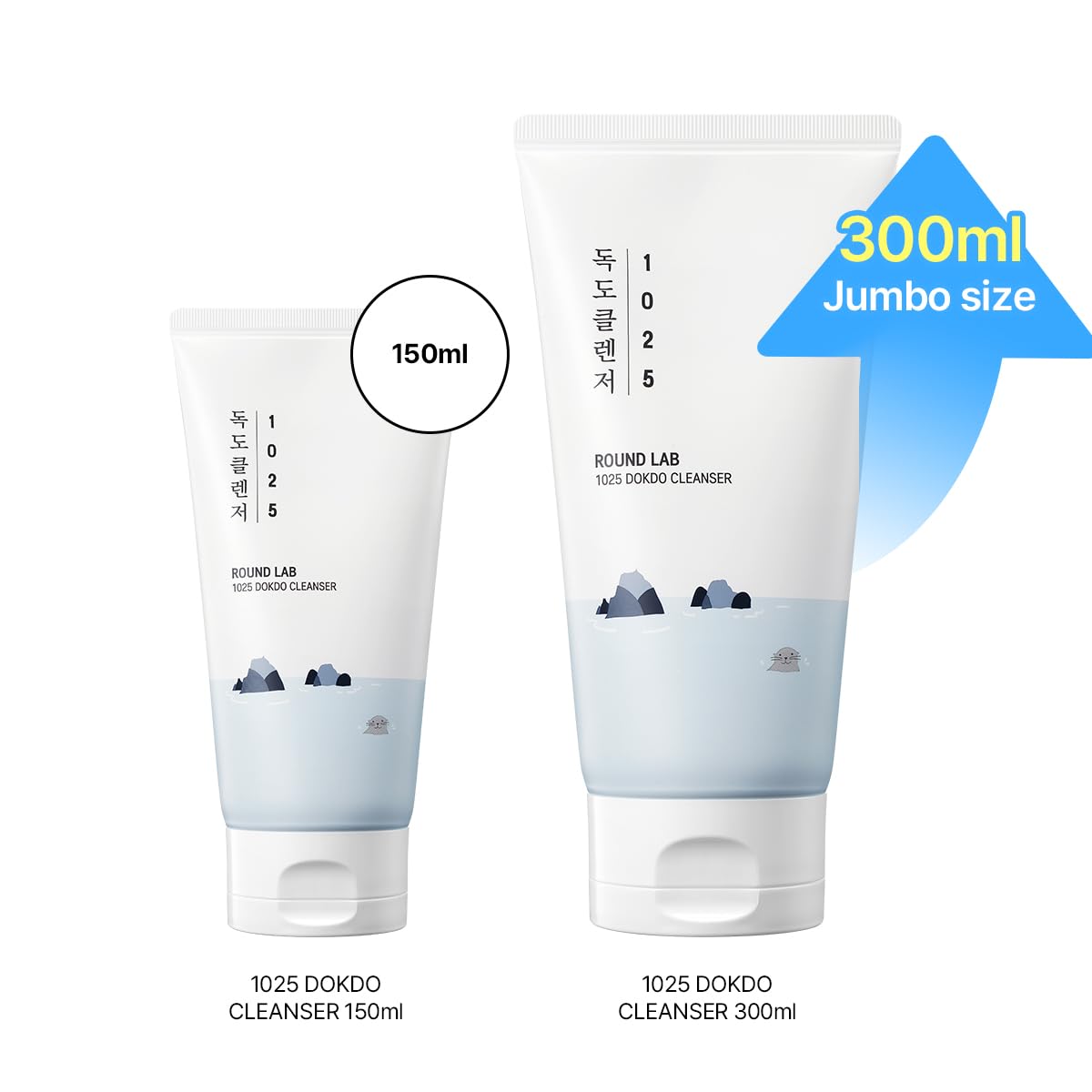
Your skin has a built-in protective layer called the acid mantle — think of it as an invisible, slightly acidic film sitting on the surface that keeps moisture in and irritants out. It works best when your skin’s pH (a scale from 0 to 14 that measures acidity, where 7 is neutral) stays somewhere between 4.5 and 5.5. Most traditional bar soaps and many drugstore cleansers sit at a pH of 9 to 11 — far more alkaline than your skin wants. Every time you wash with something that alkaline, you temporarily disrupt that acid mantle, leaving your barrier compromised, your skin tight and reactive, and your other skincare products less effective. If you’ve ever washed your face and felt that squeaky-clean tightness and wondered if it was normal — it isn’t. That feeling is your barrier signaling distress.
This guide is for the reader who already knows that pH matters and wants the decision framework to act on it: which formulations to trust, what to look for on an INCI list, and exactly how to match a low-pH cleanser to your skin type and routine goals. We’ll name tradeoffs, show the numbers, and give you a clear if/then at the end.
Why pH Is the One Spec Most Cleansers Hide From You
Here’s the uncomfortable truth: brands are not required to disclose the pH of their cleansers, and most don’t. What they will tell you — enthusiastically — is that their formula is “gentle,” “pH-balanced,” or “microbiome-friendly.” These phrases are unregulated marketing language, not a guarantee of a specific number.
Per The Beauty Brains’ analysis of cleanser chemistry, the pH of a finished cleanser depends on the surfactant system, buffering agents, and any acidic actives included — not the presence of a “natural” ingredient or a “gentle” claim on the front label. A formula built around sodium lauryl sulfate (SLS) has a structurally high pH regardless of what botanical extracts accompany it. A formula using mild amphoteric surfactants like cocamidopropyl betaine, or amino acid-derived surfactants like sodium cocoyl glutamate or sodium lauroyl sarcosinate, can be formulated in the 4.5–6.0 range with far less disruption.
Paula’s Choice Expert Advice has long documented that the post-cleanse feeling of tightness correlates directly with high-pH exposure — and that repeated barrier disruption over weeks can worsen existing conditions like rosacea, eczema, and acne by altering the skin microbiome. Healthline’s overview of skin pH echoes this, citing research showing that even a temporary pH elevation to 8.0 measurably increases transepidermal water loss (TEWL) — the rate at which moisture evaporates from skin — for hours afterward.
The practical implication: if you’re building a repair-focused or sensitive-skin routine, the cleanser is where you make or break everything downstream. An active serum can’t do its job optimally if your barrier is stressed before it even makes contact.
By the Numbers: What “Low pH” Actually Means at the Formula Level
| pH Range | Skin Effect | Common Cleanser Types |
|---|---|---|
| 3.5–4.5 | Slightly below ideal; can sting disrupted skin | AHA/BHA exfoliating cleansers, vitamin C wash-offs |
| 4.5–5.5 | Optimal acid mantle range | Amino acid cleansers, gentle gel cleansers, most quality balms |
| 5.5–6.5 | Mild disruption; tolerated by most intact barriers | Many “gentle” drugstore cleansers, micellar waters |
| 7.0–11.0 | Significant barrier disruption; elevated TEWL | Traditional bar soap, SLS-heavy foaming cleansers |
The sweet spot for a daily barrier-supporting cleanser is 4.5 to 5.5. Formulas in this range remove sebum and environmental debris without meaningfully shifting your acid mantle. If a cleanser includes AHAs (like glycolic or lactic acid) as active exfoliants, the pH may intentionally sit at 3.5–4.0 for efficacy — but those are situational tools, not daily barrier-repair workhorses.
Reading the INCI List for pH-Friendly Surfactants
You won’t find “pH: 5.2” on most labels, so the INCI (ingredient) list becomes your primary diagnostic tool. Here’s the decision logic:
Green-flag surfactants (associated with lower-pH, lower-irritation formulas):
- Sodium cocoyl glutamate
- Sodium lauroyl sarcosinate
- Cocamidopropyl betaine
- Disodium cocoyl glutamate
- Coco-glucoside or decyl glucoside (sugar-derived, mild)
Red-flag surfactants in a barrier-repair context:
- Sodium lauryl sulfate (SLS) — high pH, high irritation potential
- Ammonium lauryl sulfate — similarly alkaline
- TEA-lauryl sulfate — found in some “natural” cleansers; still disruptive
A nuance worth naming: cocamidopropyl betaine is frequently flagged on EWG Skin Deep for contact-allergy potential in sensitized individuals, even though it’s pH-appropriate. Per Credo Beauty’s formulation standards blog, the distinction is between pH disruption and allergenic potential — two separate risk factors that sometimes get collapsed into a single “irritating vs. gentle” binary. If you’re already reactive, cross-reference EWG ratings alongside pH-friendliness, not instead of them.
Buffering agents like citric acid, lactic acid, or sodium PCA appearing mid-to-lower on the ingredient list are good signs — they help hold the formula in an acidic range. If you see sodium hydroxide (lye) listed as the only pH adjuster, the final pH depends entirely on how much was used, which you can’t determine from the label alone.
Matching Low-pH Cleansers to Skin Type and Routine Goals
This is where the comparison logic gets specific. The tradeoffs below are based on formulation structure and aggregated reviewer patterns across Byrdie’s cleanser coverage and Dermstore’s editorial reviews.
Oily or Acne-Prone Skin: Amino Acid Gel Cleansers
The instinct with oily skin is to reach for a strong foaming cleanser that “really cleans.” This is the trap. High-foam SLS formulas strip sebum so aggressively that skin overcorrects with more oil production — a cycle that worsens congestion over time.
Better framework: An amino acid gel cleanser at pH 4.5–5.5 will remove excess sebum without stripping the barrier, which keeps oil production more regulated over weeks of consistent use. Look for niacinamide as a secondary active if you want added pore-minimizing effect without the disruption of a harsh detergent.
Tradeoff to name explicitly: amino acid cleansers produce less lather than SLS formulas. If tactile lather signals “clean” to you psychologically, this transition takes about two weeks of recalibration. The skin outcome improves; the rinse feeling takes getting used to.
Entry-to-mid tier pick: Acure Brightening Facial Scrub sits in the budget tier but uses gentler surfactants than many of its drugstore peers — reviewers at Byrdie note it consistently rates as less stripping than competing brightening cleansers at the same price point.
Dry or Dehydrated Skin: Balm-to-Milk and Cream Cleansers
Balm textures emulsify with water and rinse away without requiring aggressive surfactants at all. The pH of a cleansing balm is inherently gentler because the emulsification mechanism does most of the work that surfactants do in gel formulas. This is why balm cleansers dominate the prestige barrier-repair space.
The tradeoff: balms require a more thorough rinse and often work best as a first-cleanse step in a double-cleanse routine, followed by a lighter water-based cleanser. If you skip the second cleanse, emollient residue can interfere with actives applied afterward.
Mid-tier pick: Farmacy Green Clean Makeup Meltaway Balm ($34) uses plant-derived oils and a sunflower-based formula that consistently receives high marks from reviewers for not leaving a greasy residue post-rinse — though owners with very oily skin note it works better as a first step than a standalone.
Prestige tier pick: Tatcha The Rice Wash ($38–$65 depending on size) uses a rice bran-based surfactant system that reviewers consistently describe as leaving skin feeling soft rather than squeaky, with no tightness — the hallmark of a pH-appropriate formula in practice. Byrdie has included it in multiple barrier-repair roundups.
Sensitized or Barrier-Compromised Skin: Fragrance-Free, Minimal-Ingredient Formulas
If your barrier is actively damaged — presenting as redness, stinging on product application, or visible flaking — the priority is to do as little as possible with your cleanser and let your moisturizer and barrier-repair actives do the heavy lifting.
Framework: single-digit ingredient count, no fragrance (synthetic or “natural” botanical fragrance can be equally reactive), and surfactants limited to one or two mild options. Burt’s Bees Sensitive Cleanser ($14) is a reliable entry point here — reviewers consistently note it as one of the few budget cleansers that doesn’t trigger flares on sensitized skin, likely because of its simplified formulation. For a step up, Youth to the People Superfood Cleanser ($36) uses amino acid surfactants in a gel format and receives consistent praise from reviewers with combination-sensitive skin for leaving no tightness.
The EWG check: for readers navigating clean certification standards, cross-referencing the MADE SAFE or EWG Verified database adds a second layer of verification beyond pH alone. A low-pH cleanser that contains fragrance allergens or PEG derivatives still presents barrier risk for sensitized skin — pH is necessary but not sufficient.
The Decision Rule
All of this distills into a workable if/then framework:
If your skin feels tight after cleansing, your current cleanser is almost certainly above pH 6.5 — swap to an amino acid or glucoside-based formula before adding any other actives.
If you’re using prescription retinoids or prescription-strength AHAs, your barrier is already under managed stress — your cleanser should be as pH-appropriate and minimal as possible. A balm or low-lather gel at 4.5–5.5 is the right tool; this is not the place to double down on exfoliating wash-offs.
If you’re building a new routine from scratch and don’t know your skin type yet, start with a mid-pH cleanser (5.0–5.5) with a short INCI list. Stabilize barrier function first, then introduce targeted actives. You cannot accurately diagnose oiliness, dryness, or sensitivity on a barrier that’s already disrupted.
If you’re selecting a cleanser to recommend to clients (estheticians reading this will recognize this scenario), price tier matters less than surfactant system and pH. A $12 glucoside cleanser with a pH of 5.0 outperforms a $65 prestige gel cleanser with sodium lauryl sulfate every time — and your clients will notice the difference within two weeks.
Your barrier isn’t asking for much: just a cleanser that respects the chemistry it’s already running. Once you know what to look for on a label, it becomes a quick scan rather than a research project.