Micellar water is a liquid cleanser — usually light as water, sometimes slightly silky — that uses tiny clusters of cleansing molecules called micelles to lift makeup, sunscreen, and daily grime off skin without rinsing. The micelles work a bit like a magnet: one end of each molecule is attracted to water, the other to oil, so they wrap around dirt and carry it away when you wipe with a cotton pad. The appeal for sensitive skin is obvious: no scrubbing, no harsh lather, no temperature shock from tap water. But here’s the thing the marketing doesn’t say loudly enough — the micelle itself is just the delivery mechanism. What actually determines whether a formula will soothe or sting your skin is everything else in the bottle: the specific surfactants (cleansing agents) chosen, the preservatives, the pH adjusters, and the fragrance decisions. If you’ve ever switched micellar waters and noticed a difference in how your skin feels the next morning, that’s INCI (the standardized ingredient list) at work. This guide breaks down the ingredient architecture of several well-regarded options so you can match the formula — not just the marketing claim — to your skin.
Why the Surfactant Choice Is the Whole Ballgame
Most micellar waters are built on a handful of surfactant workhorses. The one you’ll see most often is poloxamer 184 or poloxamer 188 — synthetic block copolymers that form stable micelles and rinse (or wipe) clean with minimal residue. Paula’s Choice Expert Advice covers micellar water formulation in detail and notes that poloxamers are generally well-tolerated because they carry low irritation potential relative to their cleansing effectiveness.
The tricky ones appear when brands try to boost makeup-dissolving power. PEG-6 caprylic/capric glycerides shows up in several drugstore micellar formulas and is reasonably gentle, but PEG-derived ingredients carry a small flag for sensitized-barrier skin. The EWG Skin Deep Database rates most PEG compounds at moderate concern, primarily due to contamination risk from manufacturing (ethylene oxide residues), not direct irritation. For someone with an intact barrier, that’s a low-stakes issue. For someone dealing with eczema, rosacea, or a compromised barrier following active-ingredient use, it’s worth noting.
Then there’s cocamidopropyl betaine (CAPB), a surfactant that shows up in some “gentle” micellar formulas. The Beauty Brains podcast has discussed CAPB in depth, noting it is a recognized sensitizer for a subset of the population — enough that it was named Contact Allergen of the Year by the American Contact Dermatitis Society. It’s common, it works, and most people tolerate it fine. But if you’re sensitive and can’t identify why a “gentle” formula is irritating you, CAPB is the first suspect to audit.
Side-by-Side: INCI Architecture of Four Formulas
This is where the practitioner framing earns its keep. The following four formulas are compared based on published INCI data and aggregated reviewer reporting, so you can see the tradeoff map clearly rather than rely on front-label claims alone.
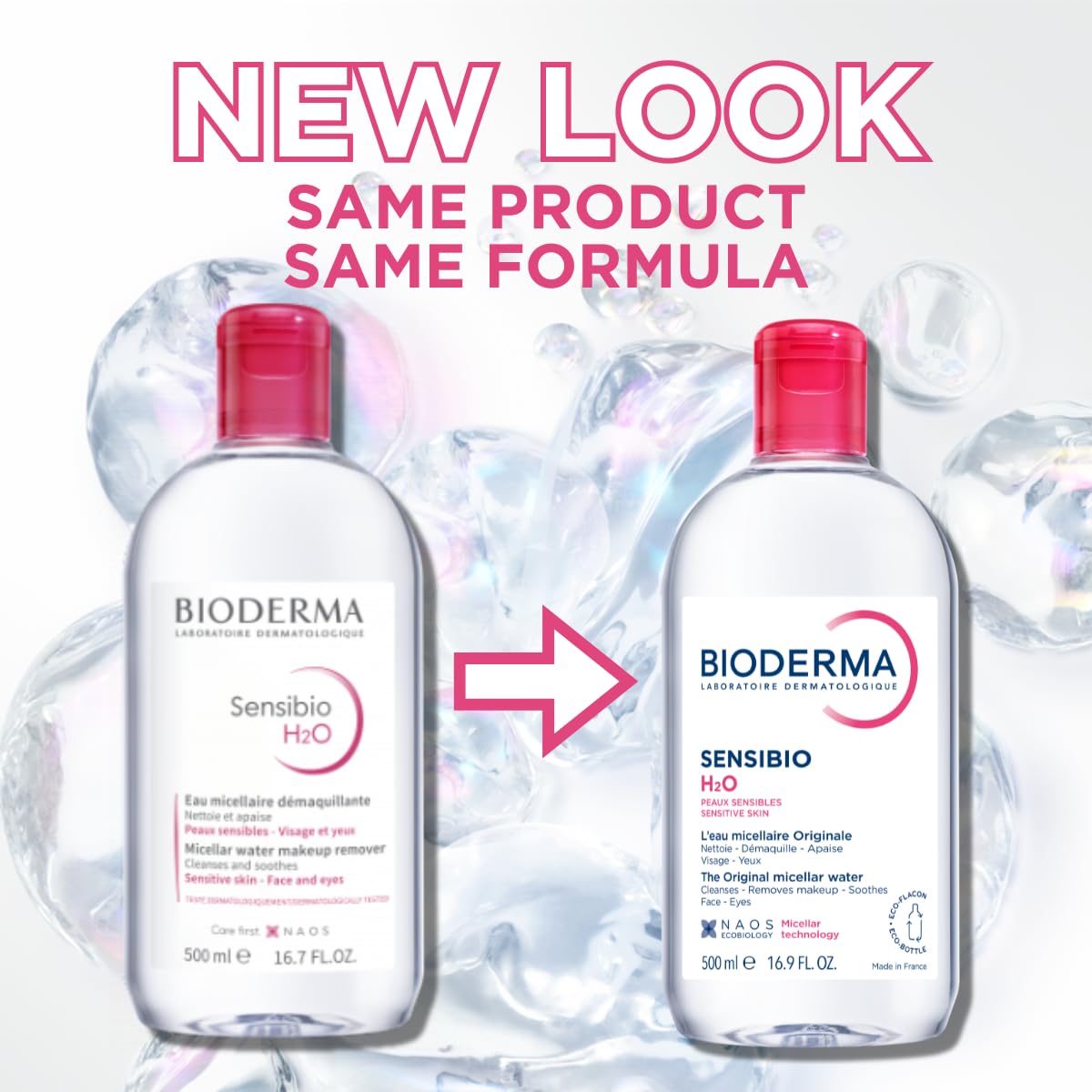
Bioderma Sensibio H2O
The category benchmark. Its surfactant system leans on PEG-6 caprylic/capric glycerides alongside cucurbit fruit extract, a soothing agent. The formula is fragrance-free, which Healthline Beauty and Skin Care identifies as a non-negotiable baseline for reactive-skin cleansers. It is preserved with disodium EDTA and benzalkonium chloride — the latter an antimicrobial with a long safety record in dilute concentrations, though a subset of individuals with ocular or periocular sensitivity do react to it. Byrdie’s micellar water roundup consistently lists Sensibio H2O as the most neutral-feeling option, with stinging reactions rare across aggregated reader feedback.
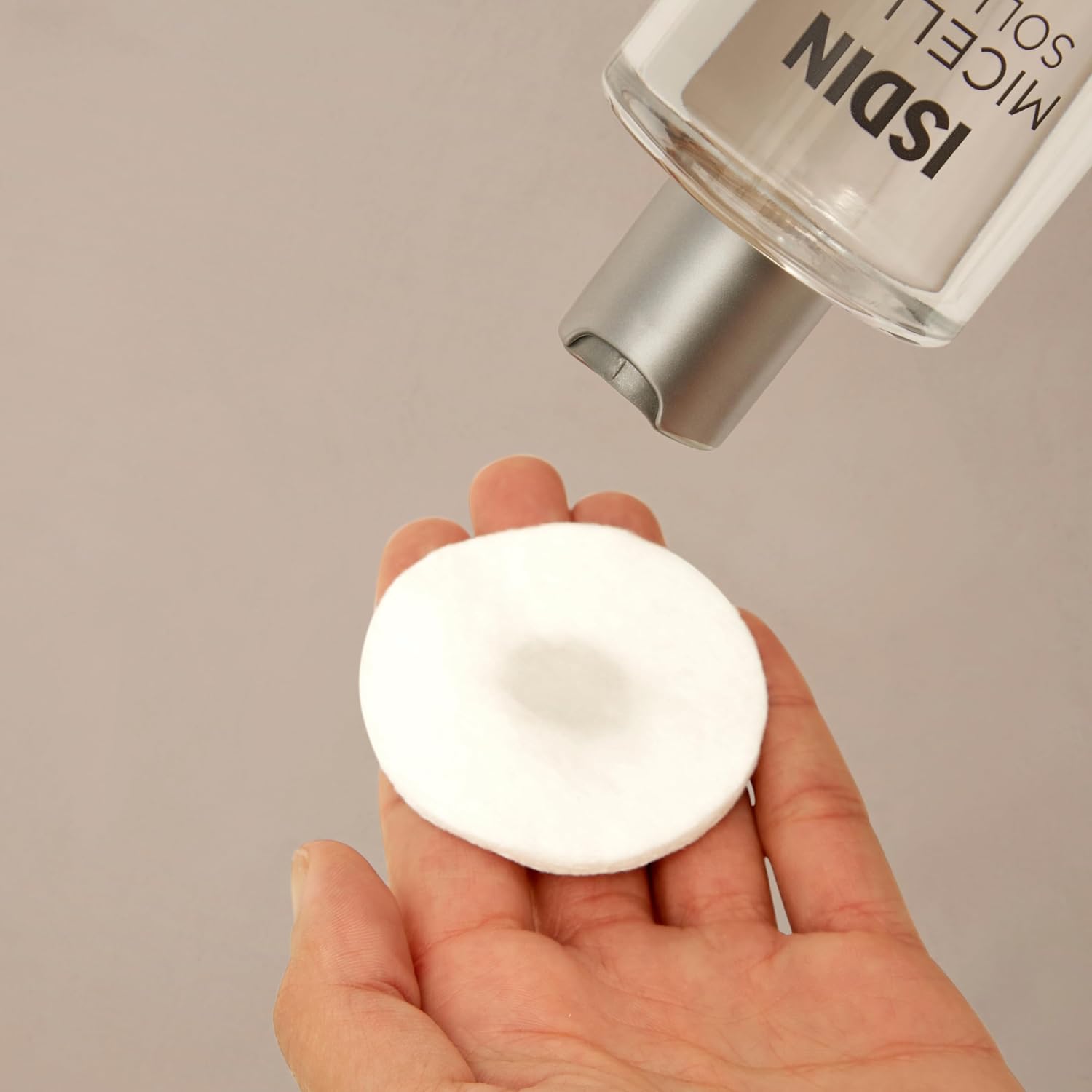
ISDIN
$45.00
In stock on Amazon
Check price on AmazonGarnier SkinActive Micellar Cleansing Water (Sensitive SKU)
One of the highest-volume sellers in the category. Published INCI shows poloxamer 184 as the primary surfactant — a favorable choice — but the formula also includes polyaminopropyl biguanide (PHMB) as a preservative. The EWG Skin Deep Database flags PHMB at moderate concern for potential immunotoxicity. Fragrance is absent in the “sensitive” variant but present in the original All-in-1. This distinction matters: “All-in-1” and “Sensitive” share a shelf but not the same INCI. If you’re buying Garnier, verify the label on the specific SKU before assuming fragrance-free status.
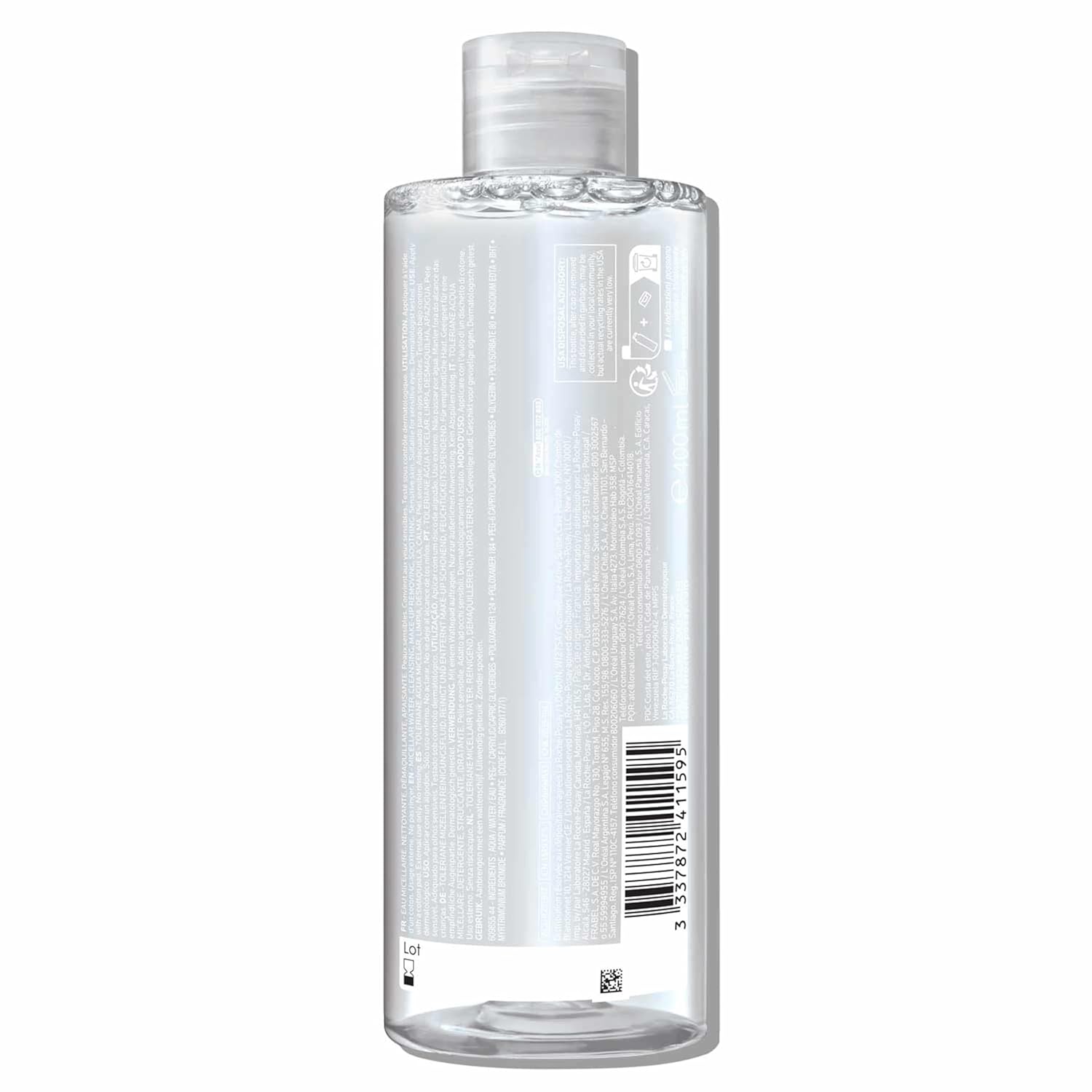
La
$14.98
In stock on Amazon
Check price on AmazonLa Roche-Posay Micellar Water Ultra for Sensitive Skin
Published INCI is notably short — a deliberate choice for sensitive-skin formulation. The formula uses poloxamer 184 plus glycerin (a humectant that is broadly tolerated) and relies on glycol-based compounds rather than parabens or PHMB for preservation. It is fragrance-free. Credo Beauty Blog’s Clean Standard guidance flags some glycol compounds for discussion at higher concentrations, but in the amounts typically used in rinse-adjacent formulas, reviewer-reported sensitivity reactions are uncommon. Of the four formulas reviewed here, this one reads as the most conservatively built.
Bioderma
$19.99
In stock on Amazon
Check price on AmazonKlorane Micellar Water with Cornflower
Klorane’s botanical positioning centers on cornflower extract (Centaurea cyanus flower water), which carries anti-inflammatory and soothing data in cosmetic literature, paired with a poloxamer-based surfactant system. No added fragrance. The one INCI flag worth naming: cornflower belongs to the Asteraceae (daisy) plant family, and some individuals sensitive to related plants — ragweed, chrysanthemum, calendula — carry cross-reactive allergen responses. This is rare in practice, but it is the kind of hidden tradeoff that distinguishes an ingredient-literate recommendation from a label-read recommendation. For clients with documented Asteraceae sensitivity, flag this formula before recommending.
Bioderma
$19.99
In stock on Amazon
Check price on AmazonBy the Numbers
| Formula | Primary Surfactant | Preservative System | Fragrance-Free? | Notable Flag |
|---|---|---|---|---|
| Bioderma Sensibio H2O | PEG-6 caprylic/capric glycerides | Benzalkonium chloride | Yes | Ocular sensitivity risk ISDIN — $45.00 |
| Garnier Micellar (Sensitive SKU) | Poloxamer 184 | PHMB | Yes | PHMB moderate concern (EWG) La — $14.98 |
| La Roche-Posay Ultra Sensitive | Poloxamer 184 | Glycol compounds | Yes | Shortest INCI; lowest flags Bioderma — $19.99 |
| Klorane Cornflower Micellar | Poloxamer | Preserved system | Yes | Asteraceae allergen risk Bioderma — $19.99 |
The Preservative Conversation Nobody Has Out Loud
Preservatives keep your micellar water from growing mold and bacteria, and any formula sitting in a bathroom environment genuinely needs them. The debate isn’t whether to preserve — it’s which system introduces the least irritation risk for a given user.
Parabens (methylparaben, ethylparaben) have been largely exited from micellar formulas in response to consumer pressure. Paula’s Choice Expert Advice is notably direct on this point: parabens are considered low-risk by dermatology consensus and are among the best-studied preservative systems available. They’ve been replaced not for safety reasons but because they’re off-brand for clean beauty positioning, so you’ll rarely encounter them in this category now.
PHMB (polyaminopropyl biguanide) is the substitute that deserves scrutiny. It appears frequently in budget-tier formulas. The EWG Skin Deep Database rates it at moderate concern; The Beauty Brains has addressed it in published episodes, noting it as a potential sensitizer in leave-on concentrations, though micellar water is closer to rinse-off in practice than a true leave-on product.
Benzalkonium chloride (used by Bioderma) is an antimicrobial that has been a contact lens care staple for decades — context that cuts both ways. It is effective and has a long dilute-concentration safety record, but some individuals with periocular sensitivity react to it. If you’re using micellar water primarily to remove eye makeup, this is the variable to monitor.
Glycol-based systems (phenoxyethanol, propanediol combinations) are the current clean-beauty middle ground — lower irritation flags than PHMB, less controversy than benzalkonium chloride. Credo Beauty Blog’s Clean Standard guidance treats them as an acceptable default for brands serving a clean-certified audience, which is why they appear in La Roche-Posay’s formula architecture.
The honest practitioner framing: no preservative system carries zero risk for all users. A formula with fewer ingredients isn’t automatically safer if one of those ingredients is a higher-potency preservative.
The Fragrance Decision Tree
Fragrance in a micellar water is almost always a mistake for sensitive skin, and the category consensus here is unusually clear. Healthline Beauty and Skin Care recommends fragrance-free as the baseline requirement for sensitive-skin cleansing, and the reasoning is structural: “fragrance” is a blanket term in INCI that can cover dozens of individual compounds, including known allergens such as linalool, limonene, and cinnamal. A formula labeled “soothing” that contains fragrance is working against itself.
The good news: most micellar waters positioned for sensitive skin have removed added fragrance at this point. The risk area is multi-use formulas — products marketed as “for all skin types” or with enhanced makeup-dissolving claims — where fragrance often appears to mask the smell of higher-concentration surfactants. Byrdie’s category testing notes this distinction repeatedly: the “sensitive” or “gentle” SKUs within a brand’s micellar line are meaningfully different from the flagship formula, and the fragrance call is usually the sharpest difference.
Decision Rules: If X, Then Y
You’ve read the tradeoffs. Here’s how to convert them to an actual purchase decision.
If your primary concern is rosacea or reactive skin with no known botanical allergies: La Roche-Posay Micellar Water Ultra for Sensitive Skin is the most conservatively formulated option reviewed here. Shortest INCI, no botanical complexes, poloxamer surfactant, no fragrance. It is the default recommendation when the goal is minimizing the number of variables in contact with reactive skin.
If you need strong makeup removal AND you are fragrance-sensitive: Bioderma Sensibio H2O remains the category benchmark for a reason. The PEG-6 caprylic/capric glycerides surfactant system delivers more effective heavy-pigment dissolution than poloxamer alone. Benzalkonium chloride is the one ingredient to monitor — if you’re using it around the eyes regularly and notice irritation, isolate that variable before switching formulas entirely.
If you’re building a recommendation for a client with Asteraceae sensitivity (ragweed, chrysanthemum, or calendula reactions in history): Flag Klorane immediately regardless of its otherwise favorable profile. The cornflower extract positioning is a genuine selling point for most users, but for this population it introduces an allergen risk that no amount of anti-inflammatory data offsets.
If you’re shopping at the budget tier and Garnier is the primary option: Buy the sensitive SKU specifically, not the standard formula. Verify the INCI on the physical packaging — digital retailer listings do not always reflect the current formulation. PHMB presence or absence is the variable that matters most within this product line.
If clean certification matters to the person you’re advising: Cross-reference against the EWG Verified program or Credo Clean Standard before finalizing. As of mid-2026, none of the four formulas reviewed here hold EWG Verified status. That is not a disqualifier — it is a framing decision about what the certification conversation means for a specific client’s priorities.
The bottom line: micellar water is one of the lower-stakes cleanser categories to navigate, but for genuinely reactive skin, the ingredient architecture is the whole product. The bottle design is noise. The INCI is signal.